Bullets have no borders
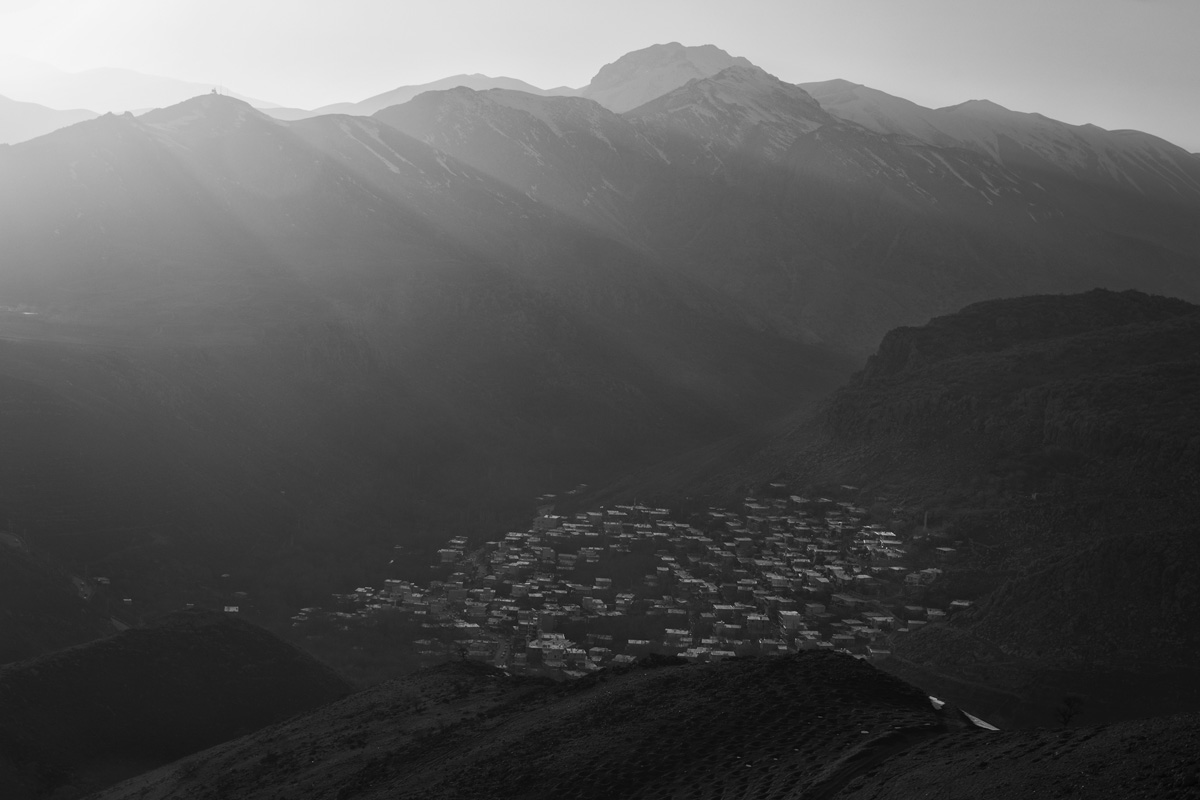
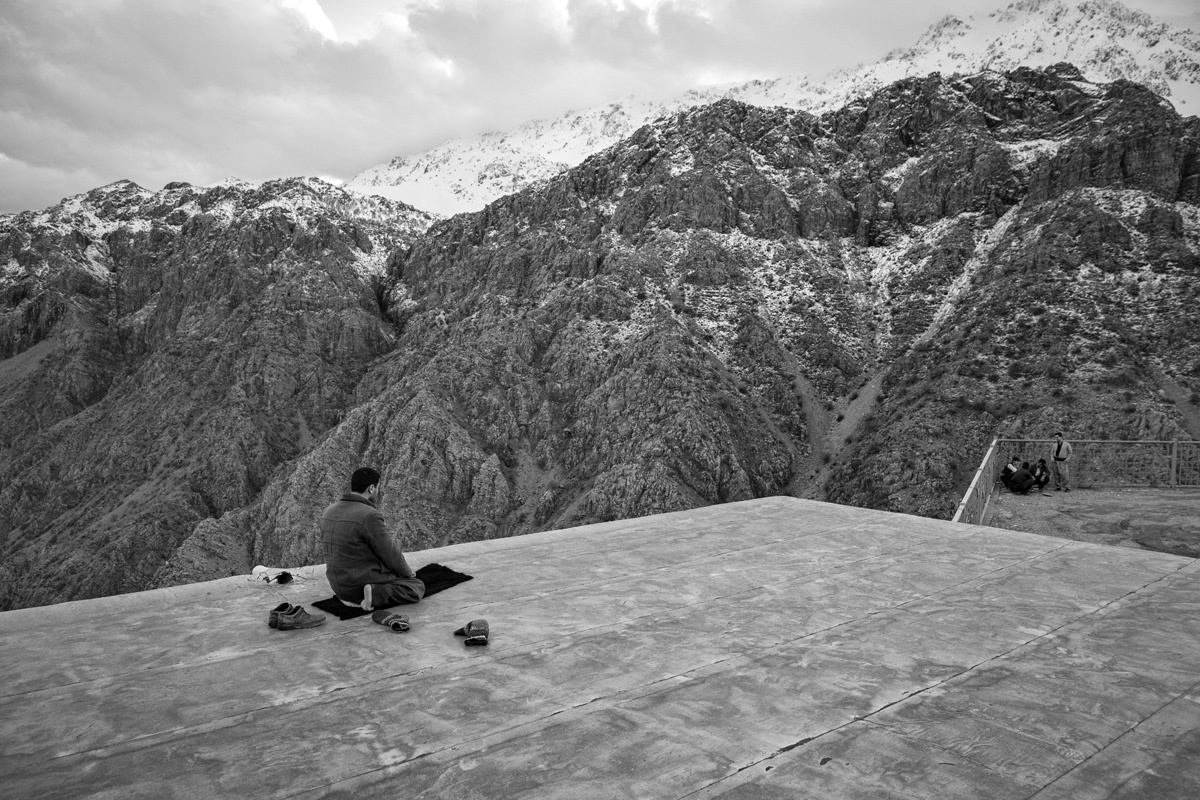
Iran’s 1,458-kilometer border with Iraq is its longest land frontier and a major hub of trade with Iraq and the Kurdistan Region. Yet, strict customs laws imposed after the revolution have banned the import of many goods, including electronics, clothing, and household items—forcing much of this trade into smuggling routes.
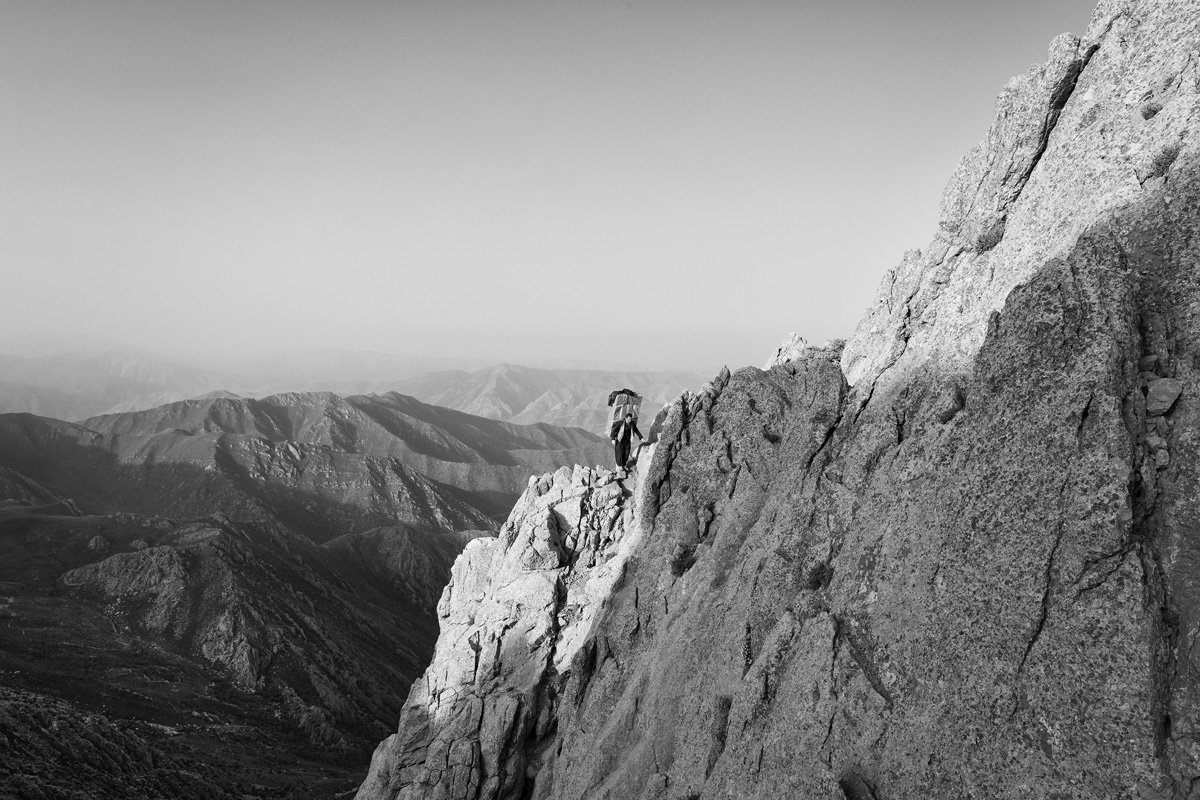
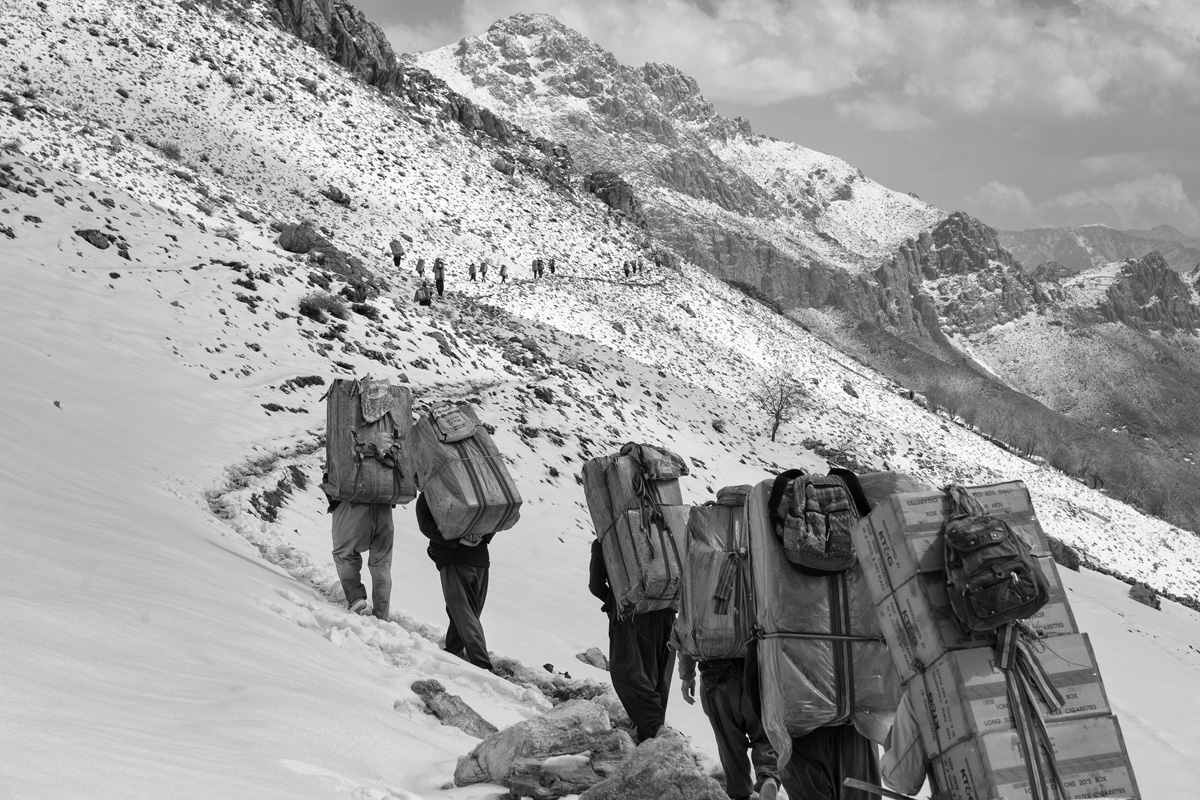
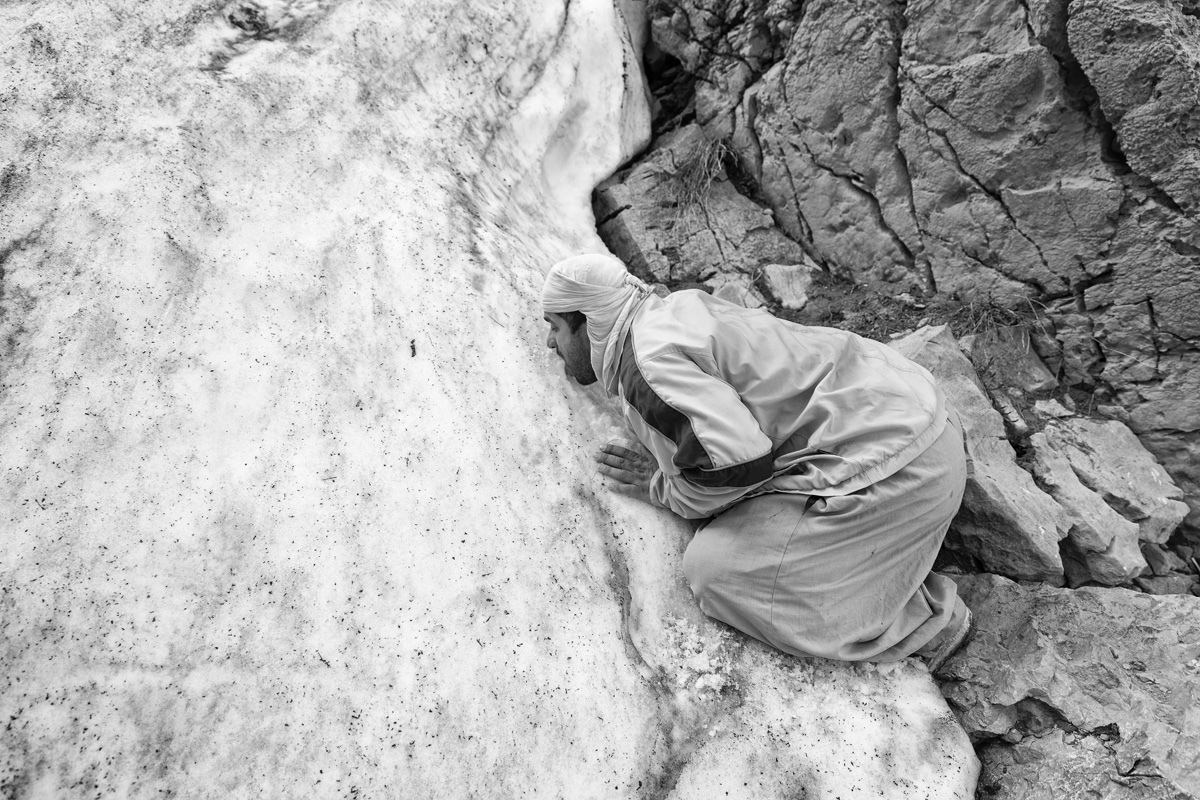
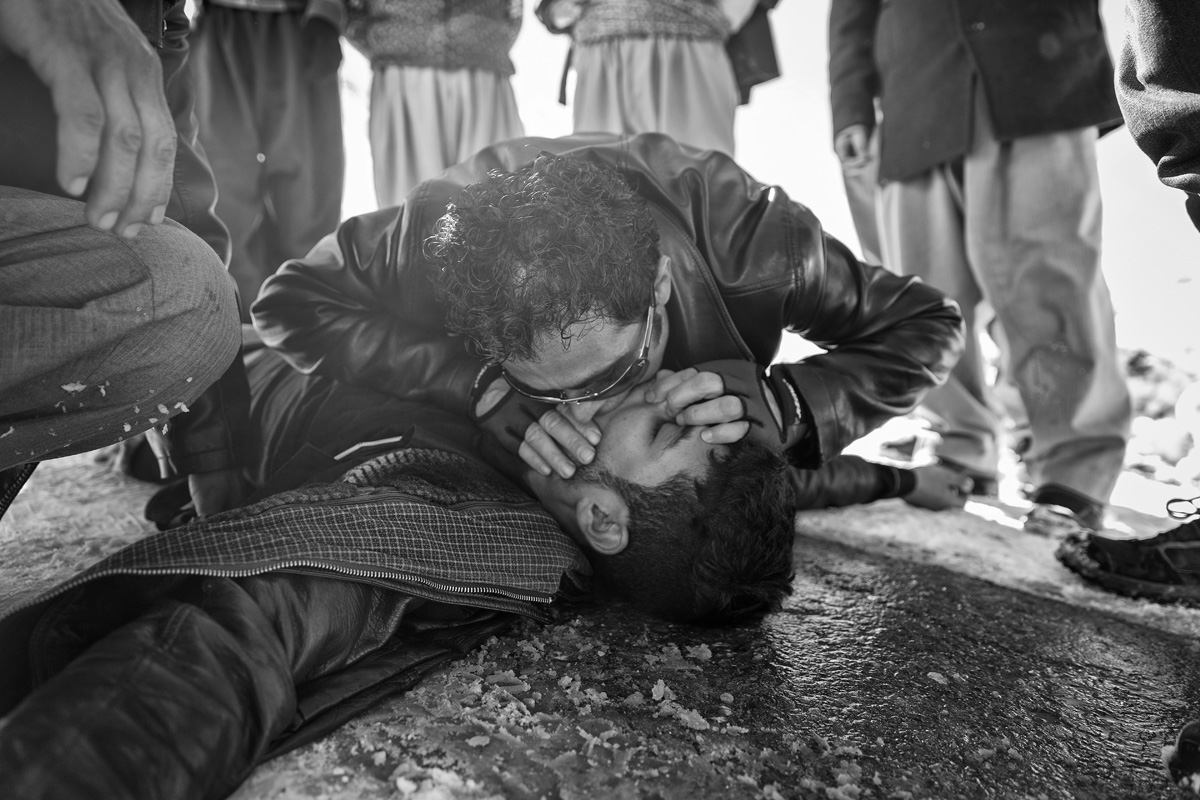
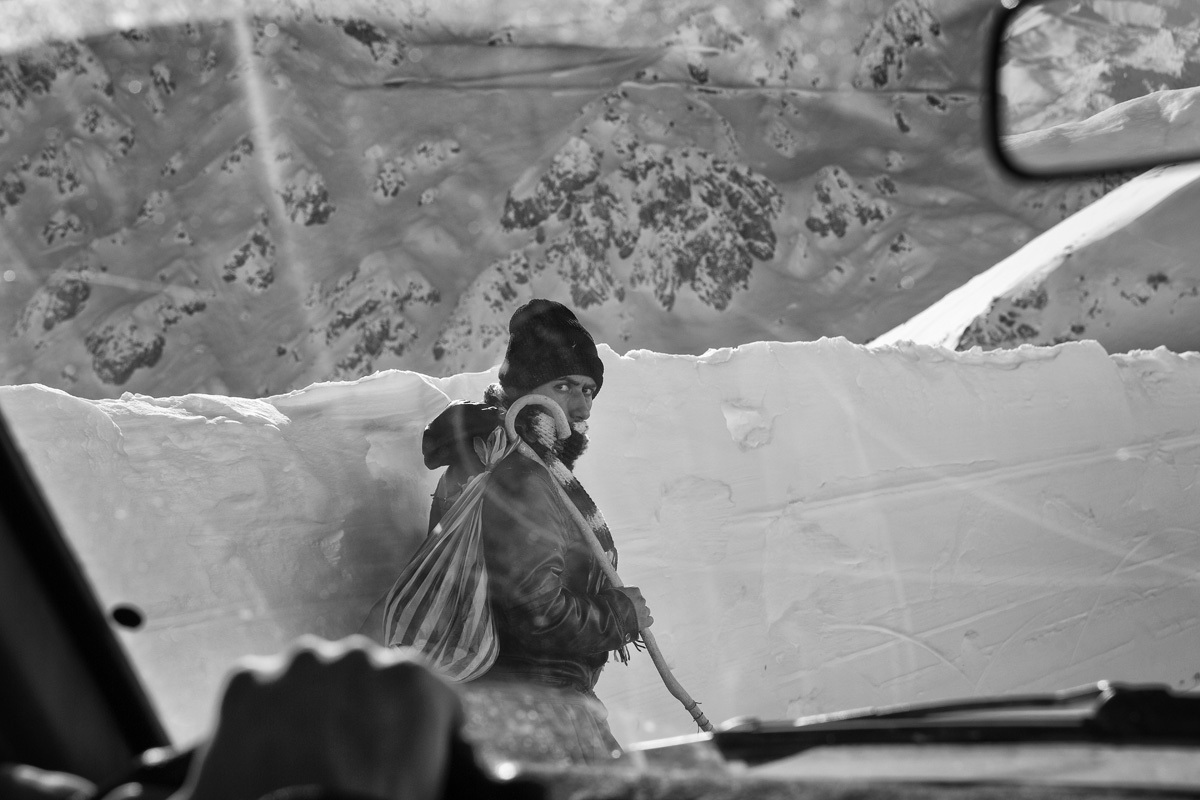
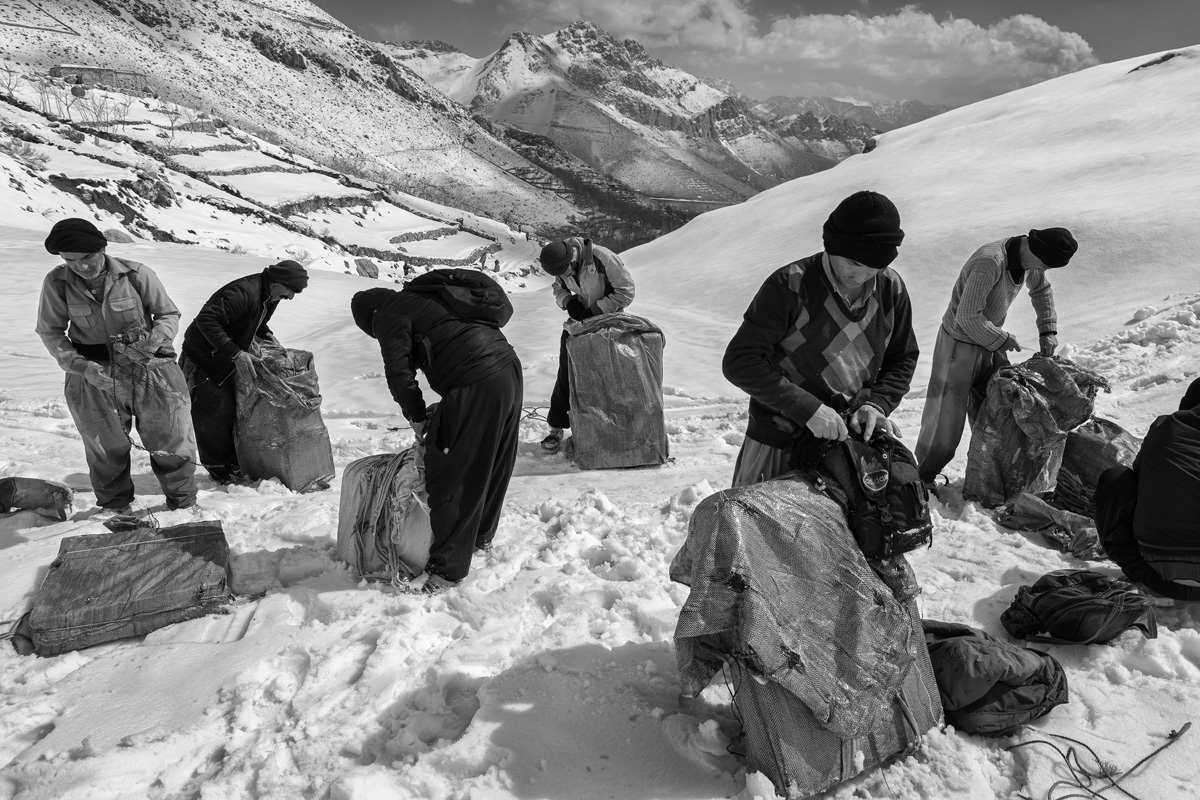
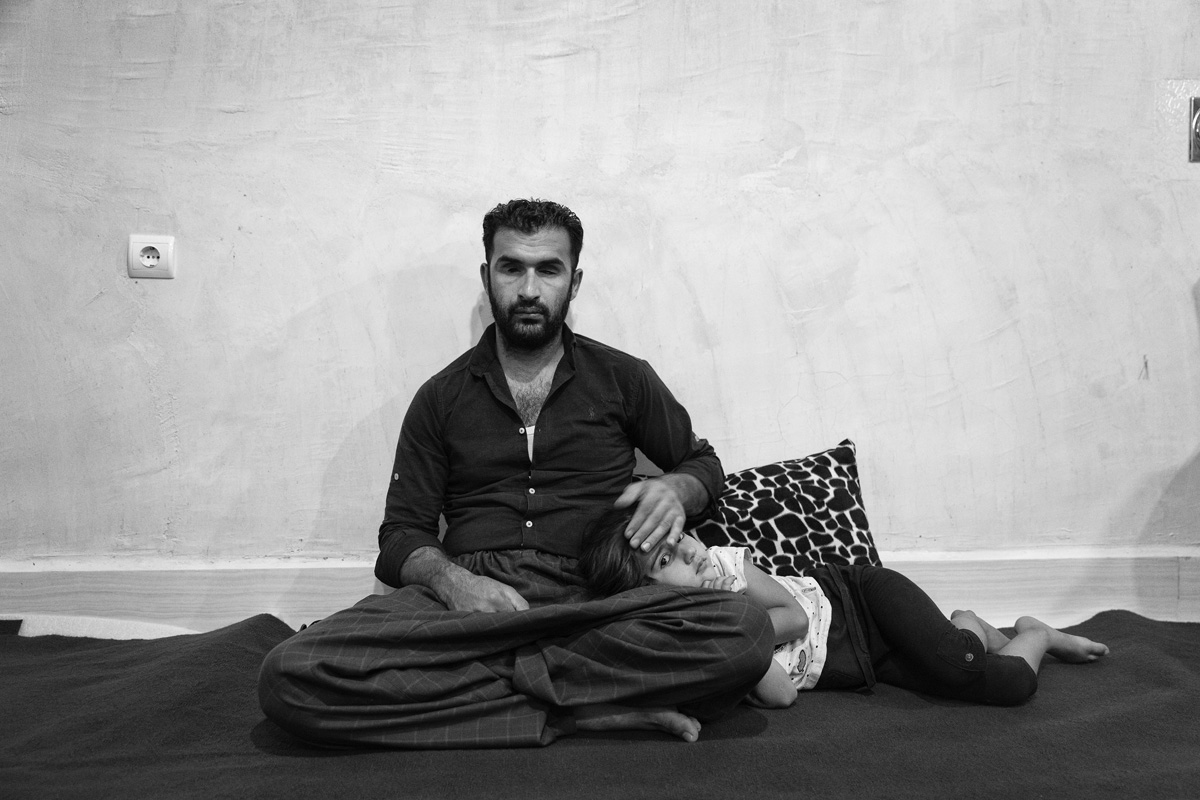
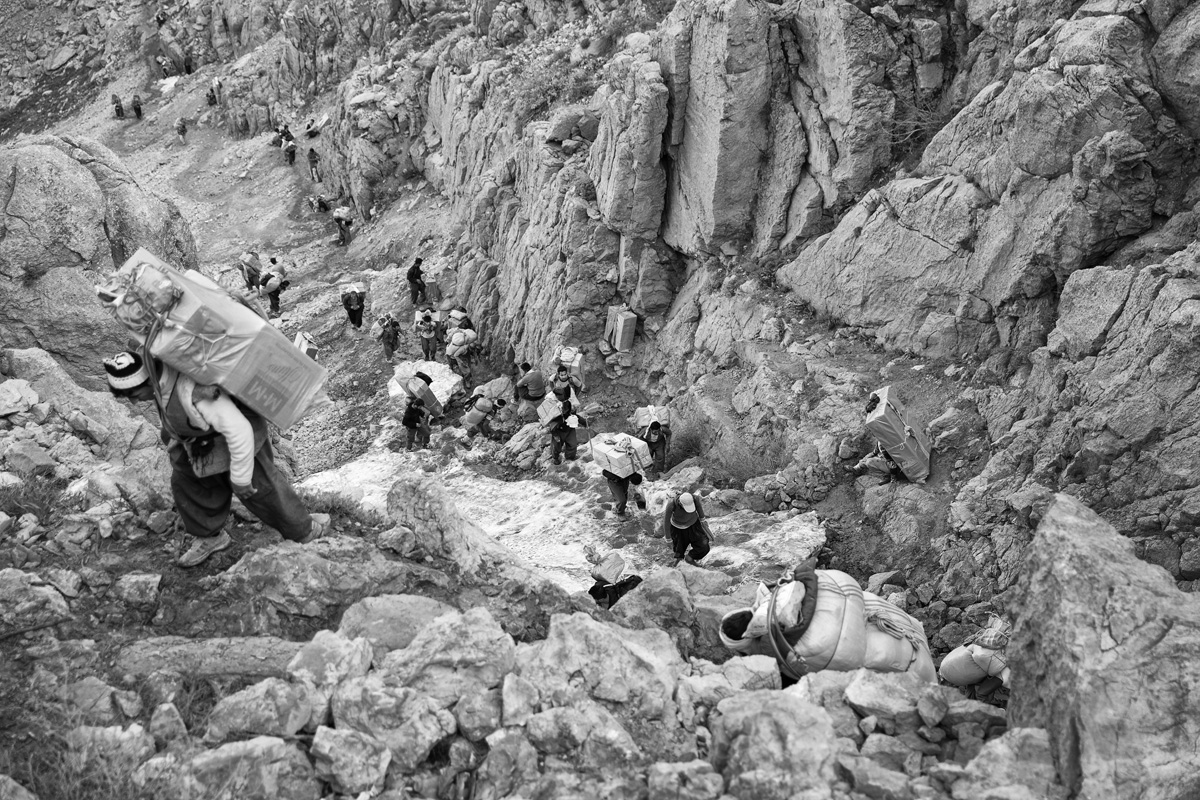
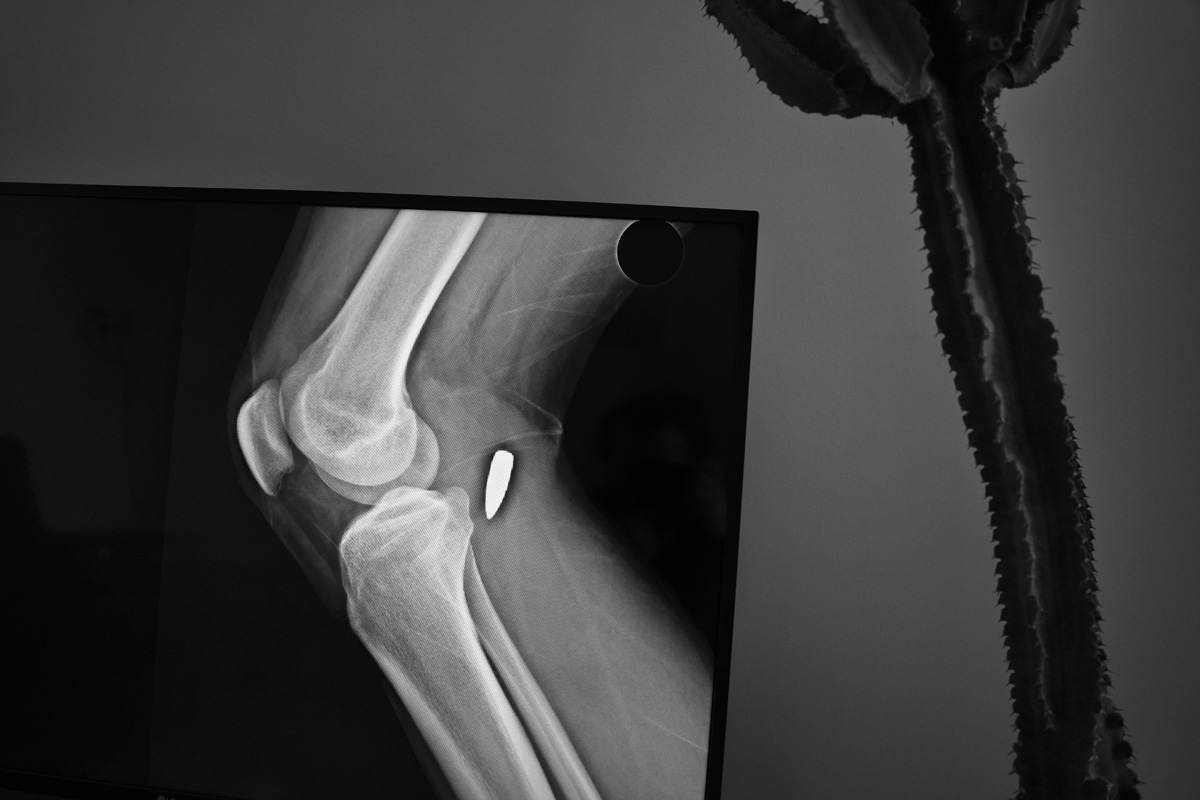
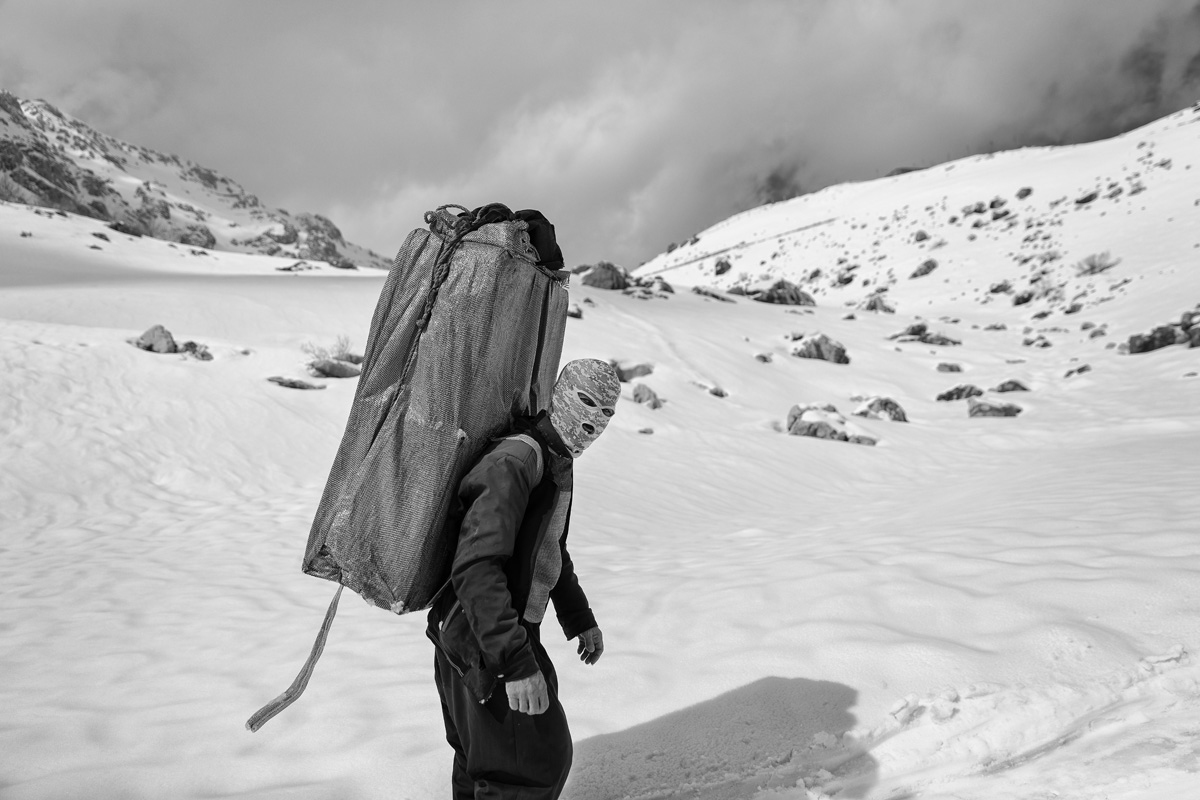
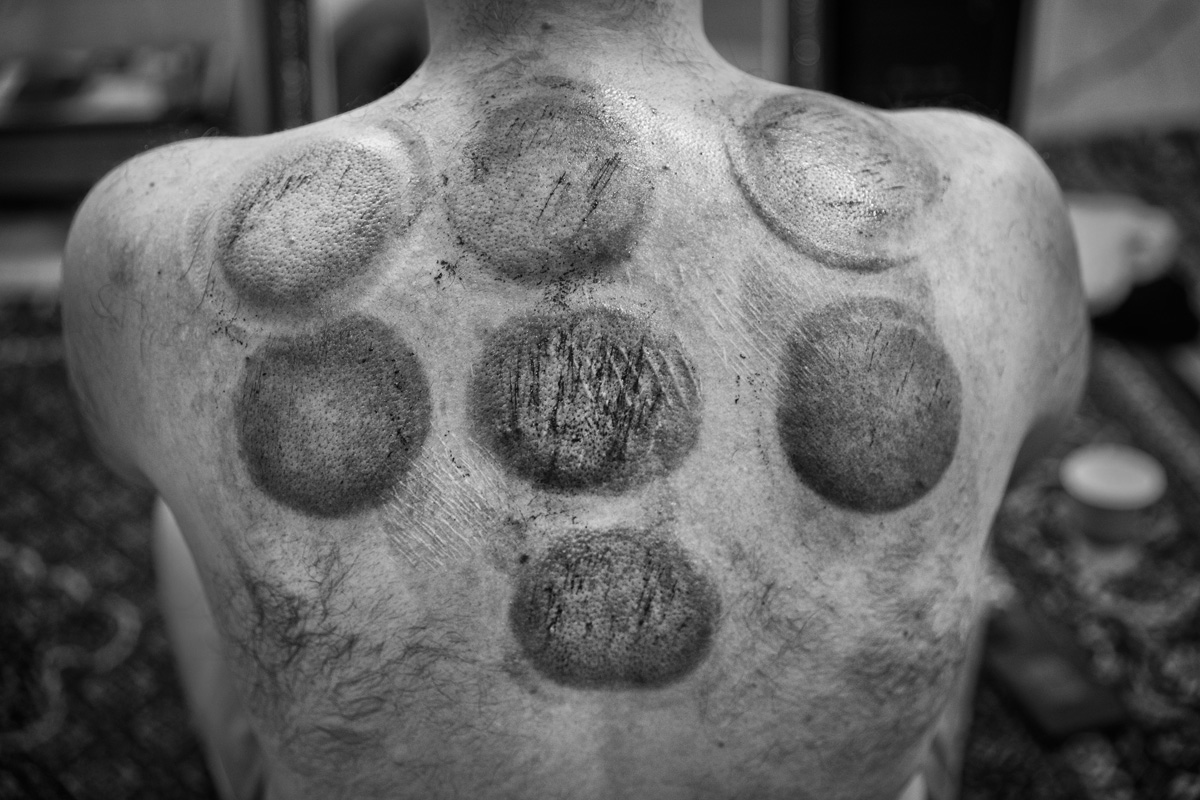
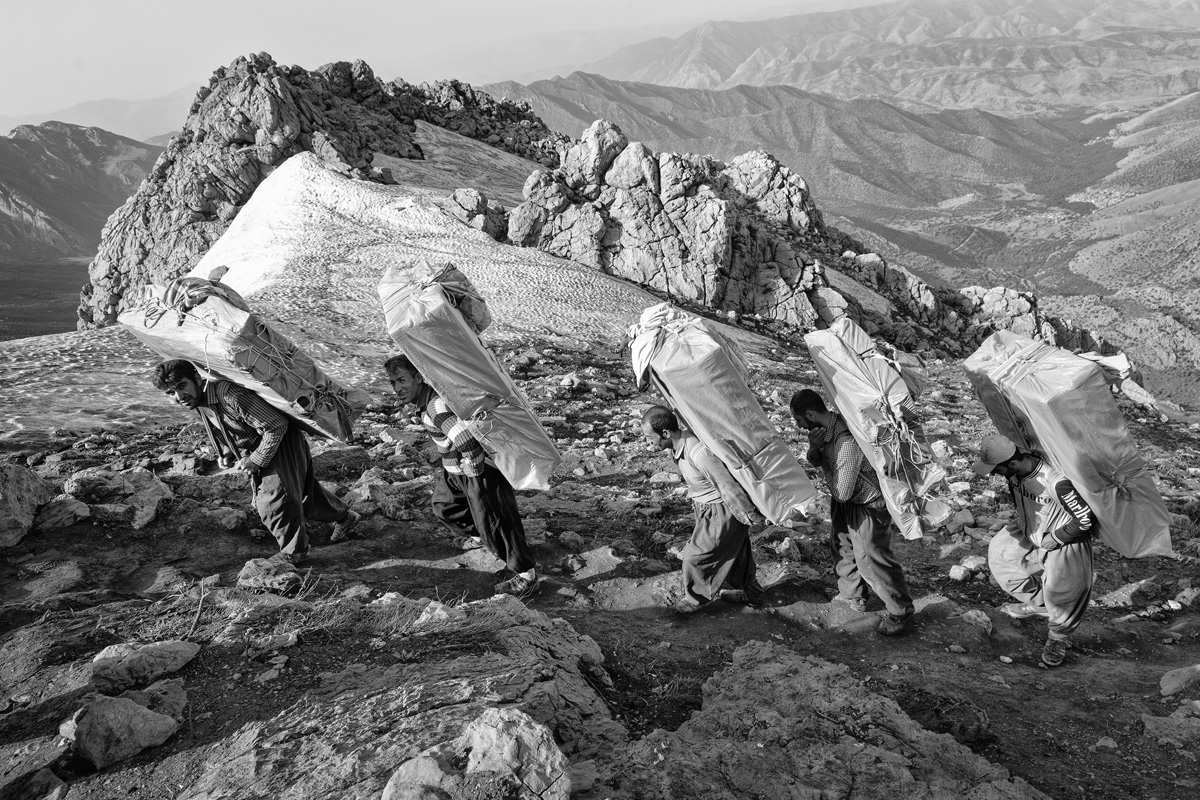
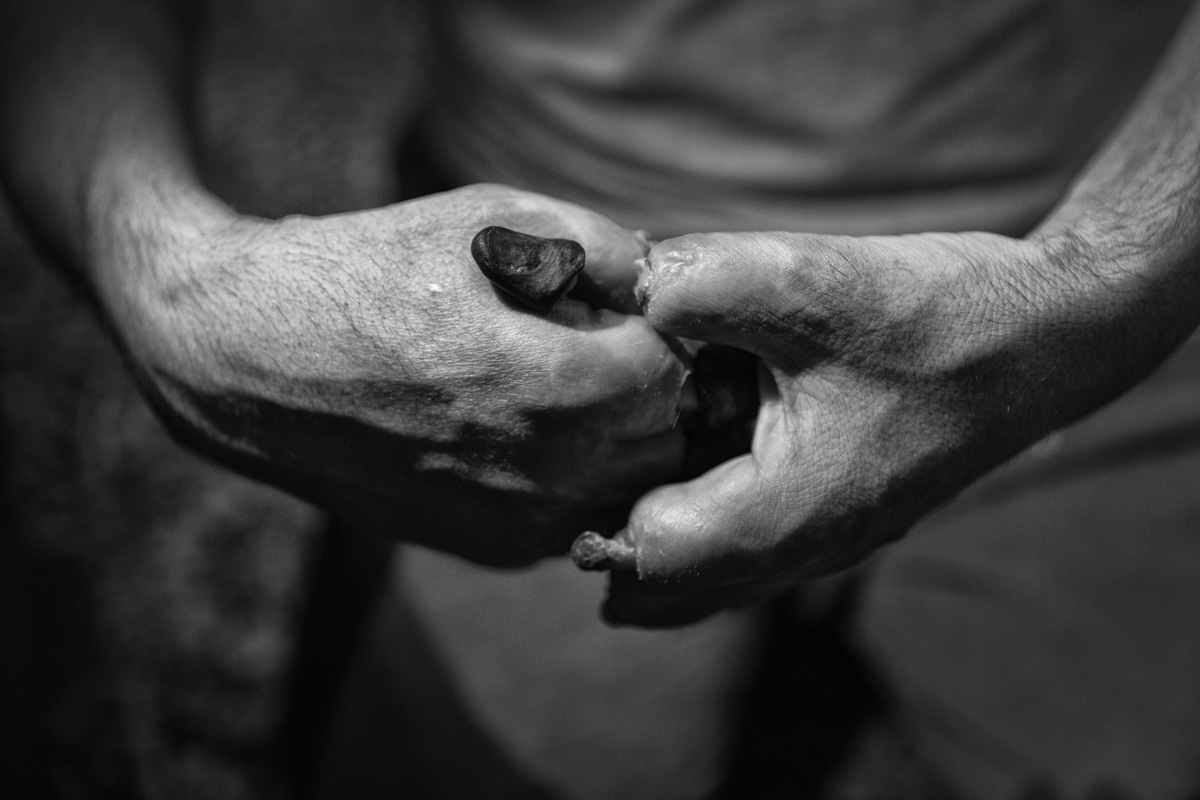
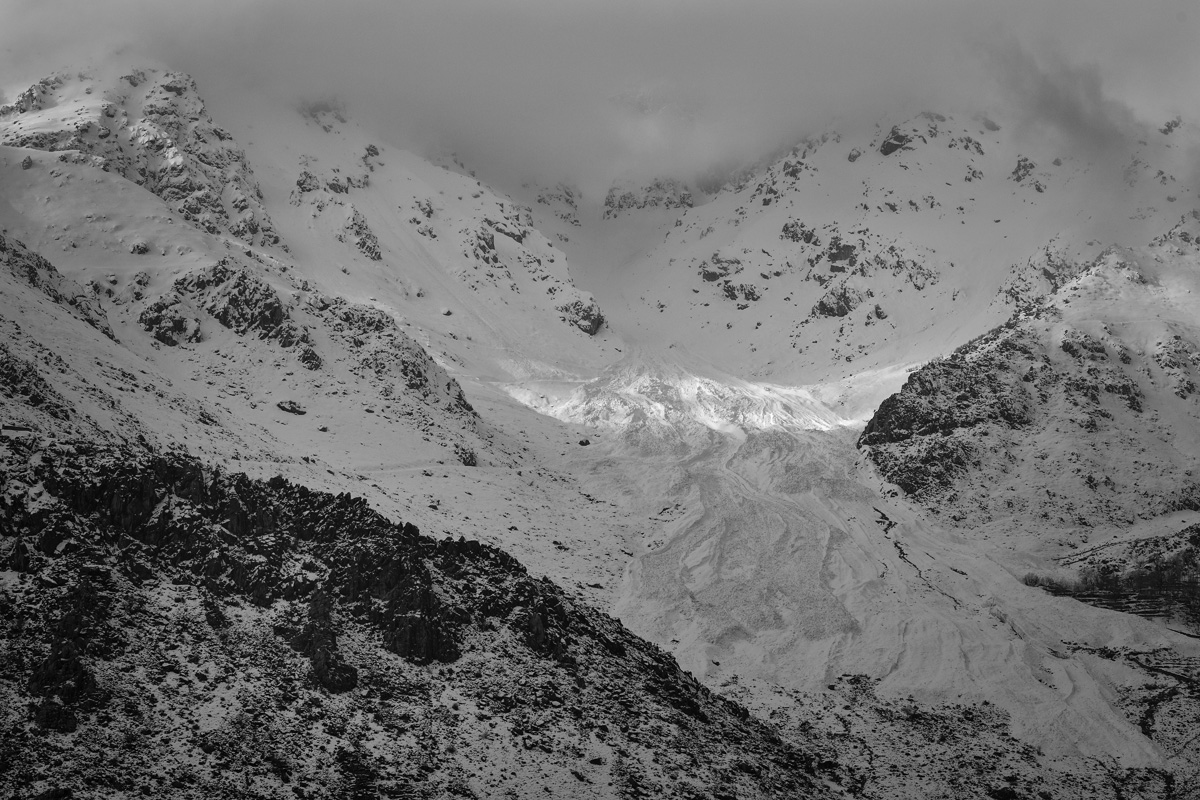
To move goods across the Zagros mountains, traders hire local Kurdish porters, known as Koolbars. Driven by poverty and high unemployment, thousands of men—some as young as 13 and as old as 65—carry heavy loads for 8 to 12 hours across dangerous trails. Each year, around 300 Koolbars are killed or injured, either by falls, avalanches, or being shot by border guards.
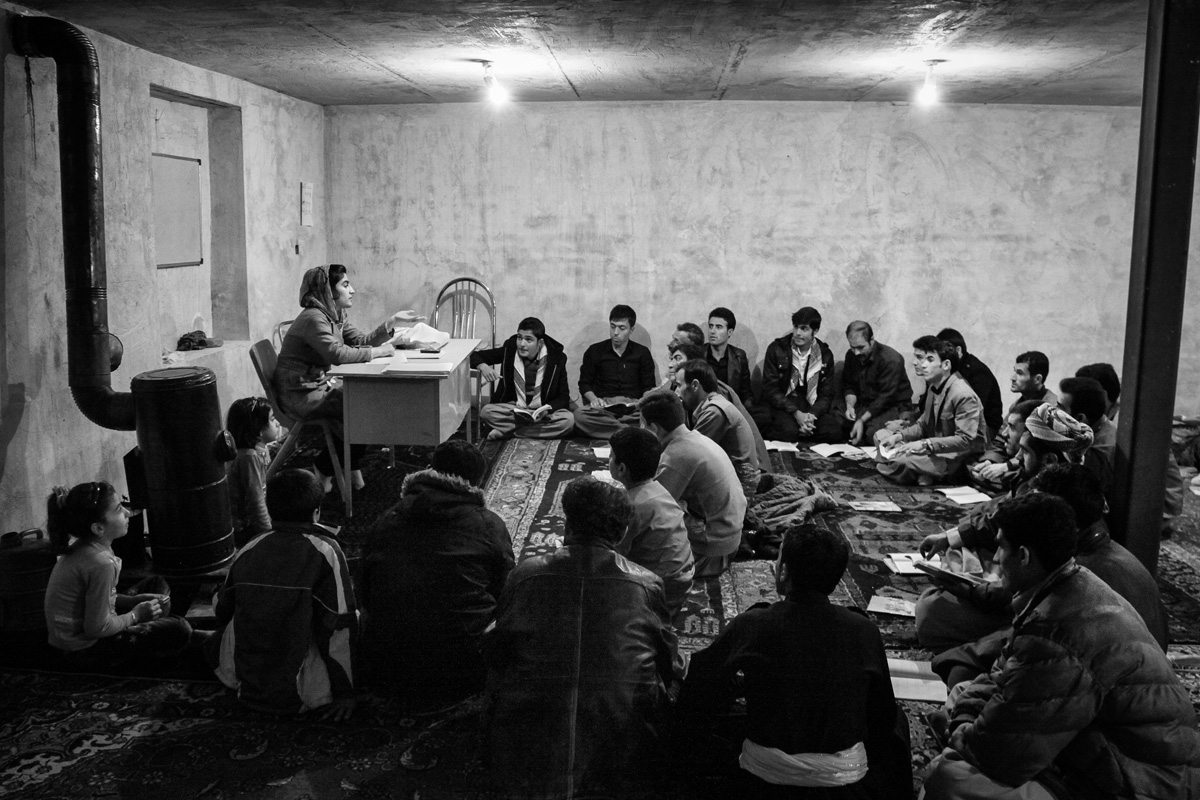
Despite the risks, Koolbary is not legally recognized as work in Iran, leaving wounded Koolbars and bereaved families without support. As deaths and injuries continue, the crisis deepens, threatening severe social and political consequences for the region.